Repair & Remanufacturing | Reliability Enhancement & Hardening | Industrial Availability

Heavy Industry & Process

Gicam technology can use DED laser cladding to repair large, expensive components used in the steel, cement, paper, and material handling industries, such as cylinders, bands, rollers, and rollers. It targets only the worn area, without replacing the entire component, to minimize production downtime.
Repair & Remanufacturing

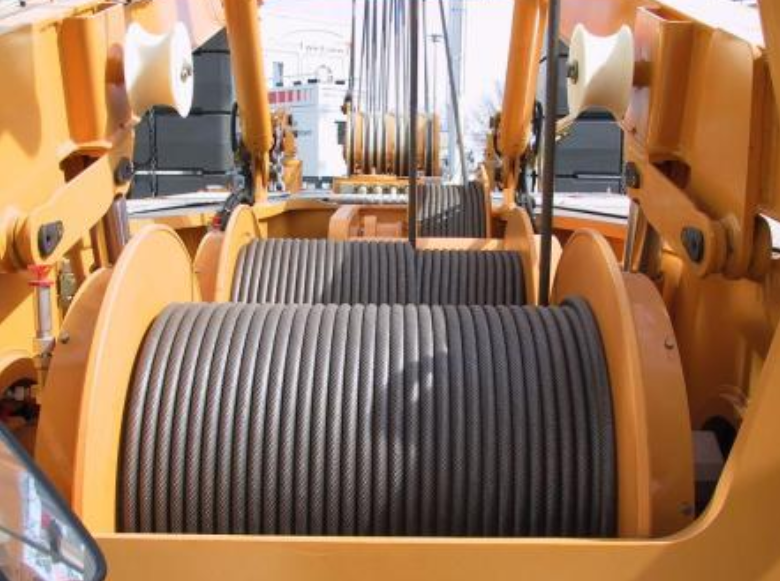
Cable drums and pulleys

Ensuring the cable is wound evenly: a direct safety issue, not just a performance one.
Ces éléments assurant l'enroulement du câble de levage subissent une usure et un matage localisés dans les gorges de câble, zone de contact répétée sous forte tension, alors que le corps du tambour reste sain. Le DED permet de recharger la gorge usée avec un matériau résistant à l'usure adhésive, restaurant le profil hélicoïdal d'origine sans remplacer un tambour massif et coûteux à refabriquer, en particulier pour les grues de forte capacité ou les treuils portuaires.

Cette réparation prolonge la durée de vie d'équipements dont le remplacement implique souvent un délai de fabrication long, vu leur caractère parfois sur mesure. Le contrôle géométrique précis du dépôt est essentiel pour préserver un enroulement régulier du câble, un enjeu direct de sécurité pour éviter le matage ou la rupture prématurée du câble.

Restored helical profile → Without replacing a solid drum that would be costly to remanufacture.
Cable integrity maintained → Even winding prevents fraying or premature breakage.
Cable drums and pulleys
Photo: Alfons Kifmann - Wikimedia Commons — License — modified image

FAQ

Why is the geometric accuracy of the groove a safety concern?

Because uneven winding of the cable can cause it to become matted or break prematurely—the precise geometric control of the lay is designed to ensure even winding.

Is this repair suitable for high-capacity equipment, such as harbor winches?