Average delivery time for finished parts
Accepted Part Volume
Compatible Materials and Alloys
Maximum surface hardness achieved
Complex Materials and Applications
State-of-the-art machines, with no investment required on your part
The finished product is delivered ready to use, with no additional steps required on your end
Response Time for Feasibility Assessment
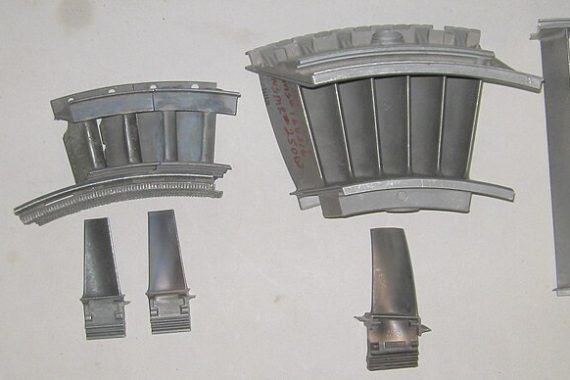
Single-unit parts or pre-production parts with high mechanical strength. Complex shapes and multi-material designs that cannot be achieved using traditional processes.
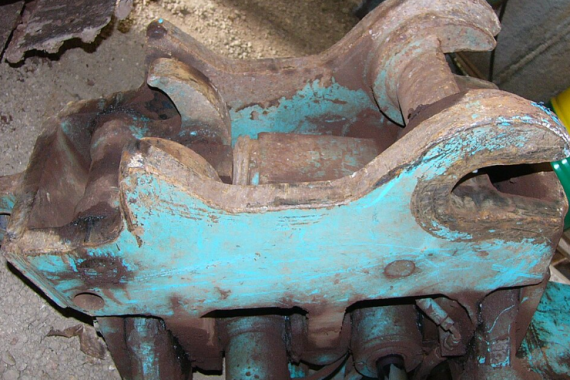
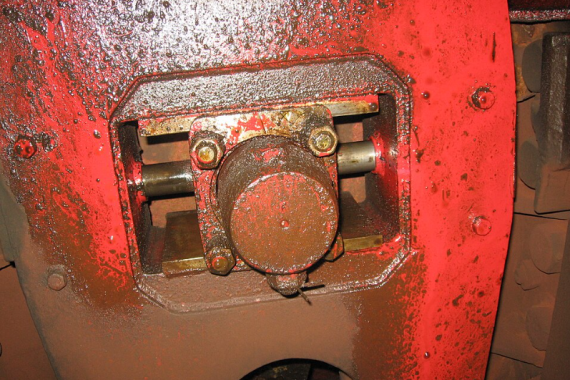
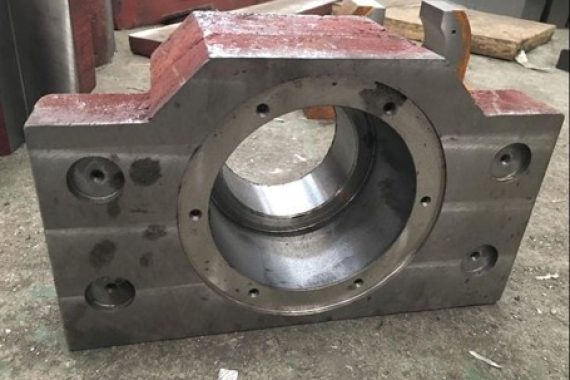
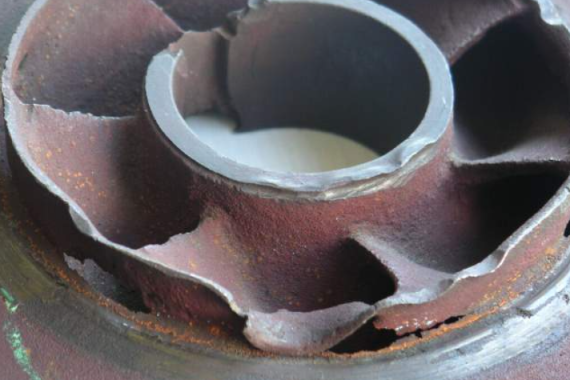
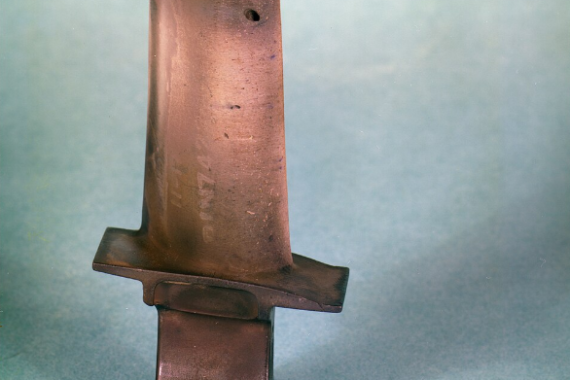
Broken, obsolete, or damaged parts restored—often stronger than they were originally. Cast-iron housings rebuilt in less than a day.
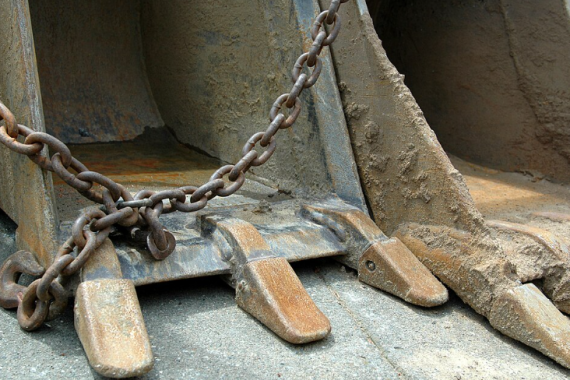
Hardfacing, laser cladding, localized surface treatment, hardness up to 70 HRC. Extend the service life of your critical components subject to wear.
Addition of hard zones, shapes, substrates, and more suitable materials. Welding on spring steel, cast iron, or materials considered impossible to join using conventional methods; substitution of chrome plating.
Reproduction based on a physical part, with or without a drawing available.
Dual-material characterization specimens, composition gradients, and process development and qualification for your own industrial projects.
Materials
Focus on what seemed impossible.
Our printing technology processes stainless steel, nickel-based superalloys, titanium, cobalt alloys, copper, aluminum, and refractory materials—with a standoff greater than 15 mm, which significantly expands geometric possibilities and eliminates the turbulence typical of fixed 3-jet nozzles.
This versatility makes it possible to perform repairs that were long considered impossible: welding on spring steel without compromising the original hardening, rebuilding cast iron parts once thought to be beyond repair, depositing abrasion-resistant carbides, and replacing hard chrome on critical functional surfaces.
Our patented multi-nozzle system goes a step further: it combines two (or more) materials in a single part—a steel core coated with a Stellite surface, for example—or creates a gradual compositional gradient without any abrupt interfaces between materials. This level of control over material combinations is unmatched by any conventional process.
Stainless steels (316L, 304L, 17-4PH, 15-5PH, 420)
Duplex & Super duplex 2205 (1.4462, UNS S32205), 2507 (1.4410, UNS S32750)
Tool steels: H13, H11, M2, maraging (18Ni300)
Low-alloy steels (4140, 4340)
Inconel 625, Inconel 718, Hastelloy C276 and X, Waspaloy
Ti-6Al-4V (TA6V), Grade 2 titanium
Stellite 6, 12, and 21
AlSi10Mg, 4047, 5356, 2319
Pure copper, CuCrZr, bronzes, cupronickels
Tungsten, molybdenum, tantalum, niobium


We work with a wide range of metal alloys: titanium (TA6V), Inconel, and other nickel-based superalloys (625, 718, Hastelloy, Waspaloy), stainless and tool steels, cobalt, copper, and aluminum alloys, as well as refractory materials (tungsten, molybdenum, tantalum). Since DED is a metal-based process, composite materials (carbon fibers, resins, etc.) are outside our scope—but if your part combines a metal base with composite challenges, let’s discuss it: a hybrid solution is sometimes possible.

In most cases, DED repair is significantly less expensive than a complete replacement—especially for parts with long lead times or that are no longer available (discontinued, supplier no longer in business). The exact cost depends on the complexity of the repair and the filler material used; we provide you with a detailed estimate after a feasibility analysis, so you can objectively compare it with the cost and lead time of a replacement.
Yes, that is precisely one of the advantages of DED: the deposit is confined to the treated area, with precise control of heat input that limits the impact on the rest of the part—whether it was originally welded, cast, or machined. The actual risk depends on the condition and metallurgical composition of the parent material, which is precisely what our feasibility assessment evaluates before any work is performed.
Yes, in the vast majority of cases. Our fleet of dedicated DED machines is among the largest on the market, which generally allows us to handle urgent requests or spikes in volume. During periods of high activity or for exceptional needs, however, lead times may vary—we’ll let you know this during the feasibility analysis, before any commitment is made.
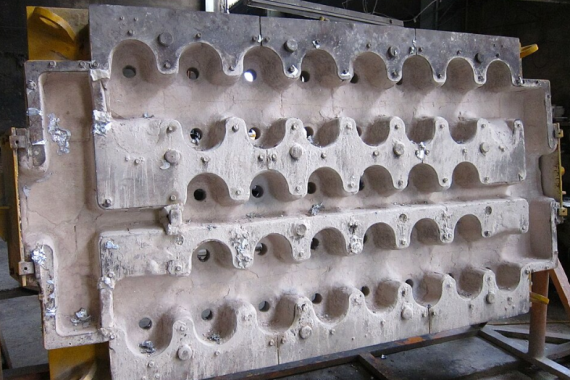
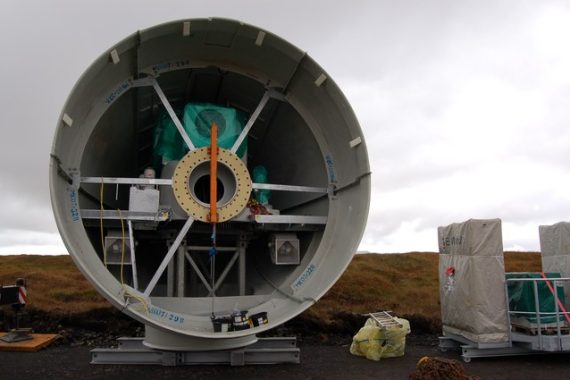
The in-house machines used for your subcontracted manufacturing or repair projects achieve a material yield of up to 70% in powder deposition, depending on the material being processed.
- Less material used on your part, resulting in optimized service costs
- Less waste generated on your project
- Optimized production lead time, with no time lost to cleanup between operations