
Repair & Remanufacturing | Reliability Enhancement & Hardening | Manufacturing & Prototyping

Energy & Environment

Gicam technology can use DED laser cladding to repair critical components in the energy and environmental sectors, such as wind turbine shafts and hubs, turbine blades, wellheads, and process valves. It enables targeted cladding and anti-corrosion coatings on expensive equipment with long manufacturing lead times.
Reliability Improvement & Hardening

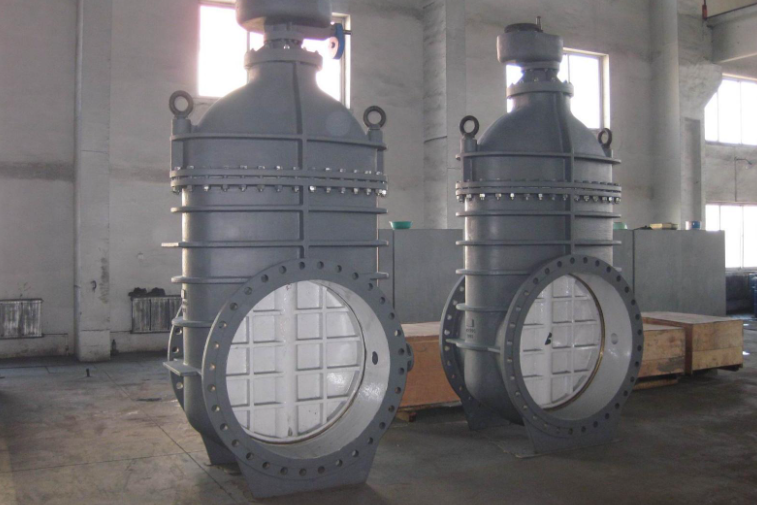
Petrochemical Process Valve Bodies

Corrosive and erosive fluids, high temperatures: a precise coating on the seats and valve disc surfaces, not on the entire body.
These critical components must provide a seal in the presence of fluids that are often corrosive, erosive, or subject to high temperatures and pressures; this justifies applying a resistant coating to the sealing surfaces (seats, valve faces) rather than to the entire body.

DED allows alloys such as Stellite or Inconel to be deposited precisely onto these functional areas, while retaining a less expensive carbon or low-alloy steel body for the structure.

This hybrid approach significantly reduces material costs compared to a solid part made entirely of high-strength alloy, which is a major consideration given the number of valves in operation at a petrochemical site. The process also allows for the repair of existing valves that have suffered erosion or wire-drawing (internal leakage erosion), avoiding the need for a complete replacement—which often takes a long time to obtain for specific or certified valves.
Reduced material cost → High-strength alloy applied only to the seats and shutter surfaces.
Wire-drawing repair → Existing valves can be repaired without complete replacement.
Petrochemical Process Valve Bodies
Photo: Heather Smith - Wikimedia Commons — CC0 1.0 — modified image

FAQ

Can the DED repair a process valve damaged by wire drawing?

This is a typical use case: the replacement part targets the area affected by internal leakage, thereby avoiding a complete replacement—which often takes a long time to obtain for certified valves.

Why not make the entire valve out of a durable alloy?